
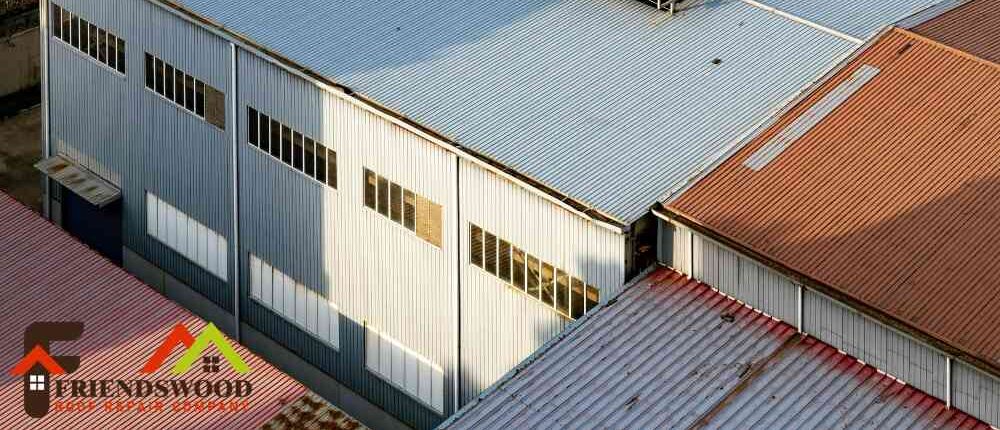
Your roof protects your home from the elements, keeps your family safe, and contributes to your property’s overall value. Over time, roofs naturally wear down, but some signs indicate that replacement may be necessary. Ignoring these issues can lead to leaks, structural damage, and costly repairs.
From visible exterior problems to indoor warning signs, understanding when it’s time for a new roof is essential. This guide will help homeowners identify key indicators, evaluate the roof’s condition, and determine the best next steps.
Knowing these signs ensures safety, improves curb appeal, and prevents minor problems from escalating into major headaches. Roof replacement is an investment, and spotting the warning signals early makes the process smoother, safer, and more cost-effective for every homeowner.
How to Know If You Need to Hire a Pro for a Roof Replacement
Hiring a professional roofing contractor is crucial when problems exceed simple repairs. Signs that a pro should be called include persistent leaks, curling or missing shingles, and significant wear around chimneys, vents, or edges. Professionals can assess structural integrity, verify damage, and provide expert guidance on materials and installation.
Attempting to handle serious roof issues alone can be dangerous and often leads to incomplete fixes, voided warranties, and further damage. A roofing pro also ensures compliance with local building codes and safety standards.
If your roof is aging, frequently leaking, or showing multiple damage indicators, scheduling a professional inspection is the safest and most efficient way to decide whether repair or replacement is the best course of action.
Outside Signs You Need a New Roof
A roof protects your home from weather and moisture, but signs of wear can signal urgent replacement. Spotting issues early helps prevent costly damage and ensures long-term structural safety.
Shingle Damage
Curling, cracking, or missing shingles reveal deterioration over time. These visible issues reduce your roof’s protective ability, increase the risk of leaks, and are strong indicators that a replacement may be necessary to maintain home safety.
Roof Granule Loss
Bald spots on shingles or accumulated granules in gutters indicate aging shingles. This loss diminishes the roof’s durability, reduces weather resistance, and signals that the roof is nearing the end of its effective lifespan, requiring attention.
Sagging or Uneven Roofline
A sagging or uneven roofline often points to structural damage or water intrusion beneath shingles. Ignoring this can worsen the problem, making immediate inspection essential to prevent collapse and ensure the home’s overall stability.
Mold or Algae Growth
Dark streaks or green patches on the roof surface indicate trapped moisture and possible mold or algae growth. Persistent infestations accelerate roof decay, weaken structural integrity, and serve as a clear sign that roof replacement should be considered.
Indoor Signs You Need a New Roof
Interior signs can reveal serious roof problems. Water stains, peeling paint, or leaks often indicate hidden damage, making timely inspection and replacement essential to protect your home’s structure and safety.
Water Leaks
Visible water dripping or pooling inside the home signals roof compromise. Leaks often stem from damaged shingles, failed flashing, or deteriorated underlayment, and require prompt attention to prevent structural damage and costly interior repairs.
Discolored Ceilings
Stains or discoloration on ceilings usually indicate water infiltration from the roof. Persistent discoloration can weaken drywall, promote mold growth, and serve as an early warning that roof replacement or professional inspection is needed.
Peeling Paint
Paint that bubbles, cracks, or peels inside the home may result from trapped moisture from a failing roof. This cosmetic damage often mirrors hidden roof issues, highlighting the need for prompt evaluation and potential replacement.
Mold Growth
Persistent damp spots or musty odors indoors suggest mold growth caused by roof leaks. Mold can spread quickly, damage structural components, and affect health, making it a critical signal to inspect and repair or replace the roof immediately.
How Long Will Your Roof Last?
Roof lifespan varies by material and maintenance. Asphalt shingles typically last 20–30 years, while metal, clay, and slate roofs can exceed 50 years. Regular inspections, cleaning gutters, and repairing minor issues extend longevity.
Weather exposure, climate conditions, and installation quality influence performance. Harsh sunlight, heavy rainfall, or frequent storms accelerate wear.
Timely repairs and professional maintenance help maximize durability. Knowing the expected lifespan helps homeowners plan for replacement, budget effectively, and avoid sudden emergencies.
Recognizing when a roof approaches the end of its service life ensures safety, reduces unexpected costs, and maintains the home’s structural integrity over decades.
Does a New Roof Need to Be Inspected?
Yes, even new roofs require professional inspection. Inspections verify proper installation, material quality, and adherence to manufacturer guidelines. Contractors check for missed fasteners, flashing issues, and underlayment placement to prevent future leaks.
Early inspection ensures warranty compliance and detects minor defects before they escalate. Periodic inspections also confirm that the roof meets local building codes and withstands local climate conditions.
Professional assessments help homeowners avoid long-term problems, maintain safety, and protect investment value. Even brand-new roofs can have installation errors, making inspections a crucial step for long-term performance and peace of mind.
Average Cost of a New Roof
Roof replacement costs vary depending on materials, size, and labor. Asphalt shingles typically range from $5,000 to $10,000 for an average home, while metal or tile roofs can exceed $20,000. Additional costs may include removal of old roofing, structural repairs, permits, and disposal fees.
Quality installation ensures durability and prevents future issues, making upfront investment worthwhile. Financing options may also be available, allowing homeowners to spread payments over time.
Choosing reputable contractors ensures warranties are honored, and the home is protected for decades. Planning for both materials and labor ensures accurate budgeting and reduces unexpected costs during replacement.
Age & Lifespan of Your Roof
Different roofing materials have different life expectancies:
- Asphalt Shingles: 20–30 years
- Metal Roofing: 40–70 years
- Clay or Concrete Tiles: 50–100 years
- Slate Roofing: 75–100 years
- Wood Shingles or Shakes: 25–40 years
Factors like climate, maintenance, and installation quality influence actual lifespan. Regular inspections and timely repairs help maximize longevity, while neglect accelerates deterioration.
How Much Does It Cost to Repair vs. Replace a Roof?
Roof repair can temporarily fix minor issues, but replacement ensures long-term durability. Consider these average costs:
Repair Costs
- Shingle replacement: $150–$500
- Leak patching: $200–$1,000
- Flashing repair: $300–$1,200
Replacement Costs
- Asphalt shingles: $5,000–$10,000
- Metal: $12,000–$25,000
- Tile: $15,000–$30,000
| Task | Average Cost | Lifespan Extension | Notes |
|---|---|---|---|
| Shingle Repair | $150–$500 | 5–10 years | Temporary fix |
| Leak Patching | $200–$1,000 | 5–10 years | Depends on damage |
| Asphalt Replacement | $5,000–$10,000 | 20–30 years | Most common |
| Metal Replacement | $12,000–$25,000 | 40–70 years | Durable & energy-efficient |
| Tile Replacement | $15,000–$30,000 | 50–100 years | High-end option |
FAQs
How can I tell if my roof is leaking?
Common signs include water stains on ceilings or walls, damp patches, mold growth, peeling paint, or musty odors indoors. Outside, check for missing, cracked, or curled shingles, clogged gutters, and damaged flashing around vents or chimneys.
Can I repair my roof instead of replacing it?
Yes, minor issues like small leaks, loose shingles, or localized damage can usually be repaired. However, widespread deterioration, sagging areas, repeated leaks, or an aging roof structure often indicate that full replacement is more cost-effective.
How long does a roof replacement take?
Most residential roof replacements take between two and seven days to complete. The timeline depends on roof size, complexity, material type, crew size, and weather conditions, which can delay installation if rain or high winds occur.
Does insurance cover a new roof?
Insurance may cover roof replacement when damage is caused by covered events like storms, hail, fire, or falling debris. However, normal wear, poor maintenance, and age-related deterioration are usually excluded from standard homeowner insurance policies.
Final Thoughts
Recognizing the signs of a failing roof is essential for protecting your home, family, and investment. From visible exterior issues like missing shingles to indoor water damage, timely action can prevent costly repairs and structural damage.
Understanding roof lifespan, materials, and repair versus replacement costs helps homeowners make informed decisions. Professional inspections ensure safety, warranty compliance, and long-lasting performance.
Replacing a roof is a significant investment, but addressing problems early preserves value and prevents emergencies. By monitoring your roof’s condition, spotting warning signs, and hiring trusted professionals when needed, you ensure a secure, comfortable, and resilient home for years to come.