
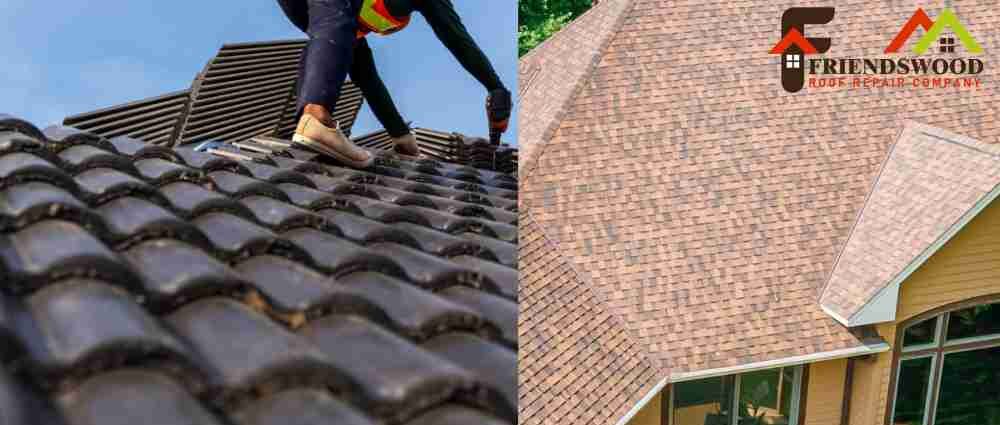
Your roof is one of the most critical elements of your home, protecting your family, possessions, and structure from the elements. When damage occurs, homeowners face a common dilemma: should they repair the roof or opt for a full replacement? The decision involves balancing immediate costs, long-term value, and the extent of damage.
Minor issues may be addressed with simple repairs, while aging or extensively damaged roofs often require a complete replacement. Evaluating the condition, age, and functionality of your roofing system is essential to making a cost-effective and safe decision.
Understanding these factors ensures your home remains protected while avoiding unnecessary expenses. This guide will help you navigate the pros, cons, and considerations for both roof repair and replacement.
Understanding the Basics: Roof Repair vs. Roof Replacement
Roof repair focuses on fixing specific areas of damage without replacing the entire roofing system. Repairs are ideal for minor leaks, missing shingles, or small storm damage.
Roof replacement, on the other hand, involves removing the existing roofing materials and installing a completely new system. This option is typically chosen when the roof has reached the end of its lifespan, sustained extensive damage, or requires upgraded materials for better performance.
While repairs are less expensive upfront, repeated fixes may accumulate costs over time. Replacement provides a long-term solution, improves energy efficiency, enhances aesthetics, and reduces maintenance needs. Knowing the differences between these options is key to making a well-informed decision for your home.
5 Factors to Consider When Deciding Between Repairing or Replacing Your Roof
Deciding whether to repair or replace your roof depends on multiple factors. Evaluating roof age, damage severity, material type, costs, and local climate helps homeowners make informed choices, ensuring long-term protection, durability, and cost-effective maintenance for their property.
Age of the Roof
Roof age is critical in deciding between repair and replacement. Older roofs are more prone to leaks, granule loss, and structural deterioration. Nearing the end of its lifespan, replacement typically offers better long-term value than repeated repairs.
Extent of Damage
The severity of damage determines the repair approach. Minor, localized issues can often be fixed efficiently, while widespread problems like multiple leaks, sagging areas, or compromised decking usually necessitate a full roof replacement to restore safety and structural integrity.
Roofing Material
Roofing materials vary in lifespan and repairability. Asphalt shingles are easier and cheaper to repair, whereas metal, tile, or slate require specialized replacement techniques. Material type influences cost, durability, and long-term maintenance planning.
Cost Considerations
Repairs generally cost less upfront but may accumulate with repeated fixes. A full roof replacement has higher initial costs but minimizes future repair expenses, enhances protection, and increases overall roof lifespan, making it a more economical long-term choice.
Climate and Environmental Factors
Weather and environment impact roof longevity. Heavy rain, snow, hail, or high winds accelerate wear and tear. Roofs in extreme climates often benefit more from complete replacement to ensure durability, reduce recurring issues, and maintain performance over time.
Comparing Short Term And Long-Term Value
Roof repairs provide immediate cost savings and can extend the life of a relatively new or minimally damaged roof. Repairs are quicker, less disruptive, and ideal for homeowners looking for a temporary or budget-friendly solution. However, repairs may not address underlying issues, potentially leading to repeated expenses and future damage.
Roof replacement, while more expensive upfront, offers significant long-term advantages. It eliminates hidden weaknesses, enhances curb appeal, improves energy efficiency, and increases property value. Replacement also provides peace of mind, reducing the likelihood of emergency repairs and prolonging the roof’s lifespan.
Evaluating the roof’s age, damage, and expected occupancy duration helps homeowners weigh short-term affordability against long-term security and investment value.
Signs You Need a Roof Repair
Small, localized issues indicate repair is sufficient. Signs include missing or broken shingles, minor leaks around flashing or vents, small patches of moss or algae, and minor storm damage. If your roof is relatively new and structurally sound, timely repairs can prevent further deterioration and extend its lifespan.
Repeated minor leaks or localized damage may also signal areas that require attention before they escalate. Addressing these issues early reduces the risk of water infiltration, mold growth, or damage to insulation and underlying structures. Roof repairs are particularly cost-effective for homeowners planning short-term occupancy or managing limited budgets.
Signs You Need a New Roof
A full roof replacement is warranted when damage is extensive or the roof is approaching the end of its lifespan. Look for widespread shingle loss, curling or cracked shingles, sagging rooflines, persistent leaks, or structural issues.
Aged roofs with recurring problems often benefit more from replacement than continuous repairs, ensuring long-term protection and improving overall energy efficiency and home aesthetics.
Importance of Professional Roof Inspections
Professional inspections provide an accurate assessment of your roof’s condition, helping you determine whether repair or replacement is the best option. Inspectors can identify hidden damage, structural weaknesses, and potential problem areas.
Comprehensive Damage Assessment
Roofing experts inspect all components, including shingles or tiles, underlayment, flashing, and structural elements. This thorough evaluation identifies hidden damage, ensuring accurate diagnosis and helping homeowners understand the full scope of necessary repairs or potential replacement.
Early Problem Detection
Professional roof inspections can uncover minor issues before they worsen. Detecting problems early prevents leaks, structural damage, and mold growth, saving homeowners from expensive repairs and extending the roof’s overall lifespan.
Material and Cost Guidance
Certified inspectors provide advice on the best roofing materials for durability, climate, and aesthetics. They also offer cost estimates and lifespan expectations, helping homeowners make informed decisions about repairs, replacements, and long-term maintenance planning.
Making the Right Choice for Your Home
Choosing between repair and replacement requires careful evaluation of multiple factors:
- Age of the roof and remaining lifespan
- Severity and location of damage
- Roofing material and durability
- Long-term plans for the home
- Budget and financial priorities
- Potential energy efficiency improvements
- Aesthetic considerations and curb appeal
Repairs are ideal for minor, localized issues or short-term plans. Replacement is the better investment when addressing widespread damage, aging materials, or the desire for long-term value, energy efficiency, and improved home protection.
Cost Comparison: Repair vs. Replacement
Understanding cost differences helps homeowners make practical decisions. Repairs are less expensive initially but may require repeated attention. Replacements are higher upfront but provide long-term value.
| Type | Average Cost | What It Includes |
|---|---|---|
| Roof Repair | $300 – $1,500+ | Patching leaks, replacing shingles, minor fixes |
| Roof Replacement | $5,000 – $15,000+ | Full tear-off, underlayment, new materials, ventilation upgrades |
FAQs
How do I know if my roof needs repair or replacement?
If your roof is under 15 years old and damage is minor or localized, repairs are usually sufficient. Roofs over 15 years old or showing widespread damage typically require full replacement to ensure long-term protection.
Can a repair match the existing roof?
Matching repaired sections to the existing roof can be challenging. Older shingles may have faded over time, causing color and texture differences. While repairs restore functionality, achieving an exact visual match is often difficult.
How long does a roof replacement take?
A typical roof replacement takes two to five days, depending on factors like roof size, pitch, and material type. Complex designs or adverse weather conditions may extend the timeline slightly.
Will insurance cover roof repairs or replacement?
Insurance policies often cover roof damage caused by storms, hail, or other covered events. Routine wear and tear, aging, or maintenance-related issues are generally excluded, so review your policy carefully to understand coverage limits.
Final Thoughts
Deciding between roof repair and replacement is a critical choice that affects home protection, budget, and long-term value. Minor, localized damage on a relatively new roof can be managed with timely repairs, saving money and extending the roof’s lifespan.
However, extensive damage, aging materials, or repeated leaks often make replacement the wiser investment. A professional inspection ensures an accurate assessment, helping homeowners make informed decisions.
Ultimately, understanding the condition, material, and long-term goals of your roofing system will guide the choice that maximizes safety, energy efficiency, curb appeal, and financial value for years to come.